
Heavy Menstrual Bleeding Treatment

Heavy menstrual bleeding (also known as menorrhagia) can significantly affect daily life, work, energy levels and overall wellbeing. Mr Thomas Bainton, Consultant Gynaecologist, provides specialist assessment and personalised treatment for heavy periods within a structured, evidence-based pathway. Early review helps identify the underlying cause and develop an effective management plan.

If you are searching for a private specialist for heavy periods in London, consultant-led care ensures clarity, reassurance and continuity.

Heavy Menstrual Bleeding - Thomas Bainton

Heavy Menstrual Bleeding Key Factors

What is Heavy Menstrual Bleeding?

Bleeding that is excessive in volume, prolonged in duration, or interferes with quality of life.

Common Concerns

Flooding, passing large clots, bleeding lasting more than seven days, fatigue or iron deficiency.

How It Is Assessed

Specialist consultation supported by pelvic examination and advanced ultrasound imaging where required.

Treatment Focus

Reduce bleeding, correct anaemia and address the underlying cause.

When to Seek Specialist Care

If periods are becoming heavier, lasting longer, or affecting work, daily life or health.

Patient Pathway for Heavy Menstrual Bleeding

Specialist Consultation

Detailed discussion of bleeding pattern, menstrual history, associated symptoms and reproductive plans to identify potential causes.
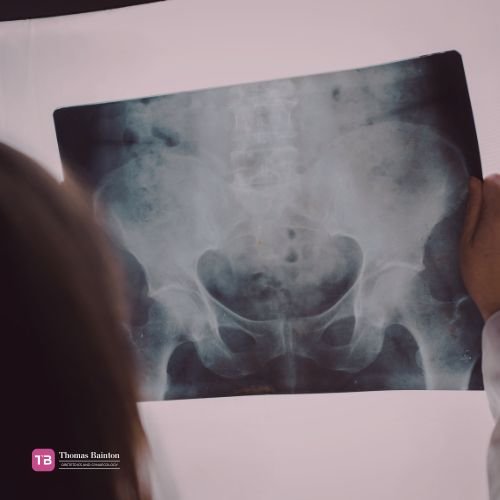
Clinical Assessment

Pelvic examination where appropriate, supported by specialist ultrasound to assess the uterus and ovaries.
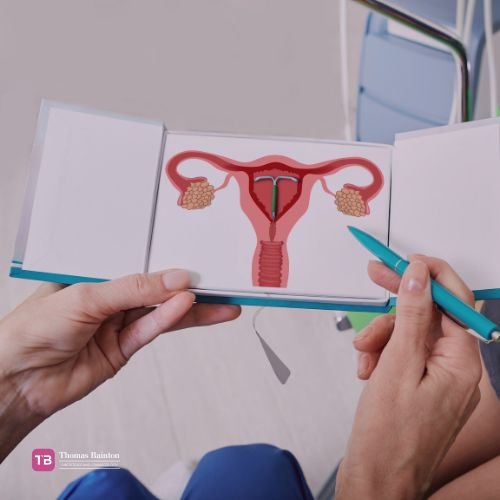
Personalised Treatment

Clear explanation of findings and development of an evidence-based treatment plan tailored to symptom severity and future fertility wishes.
Follow-up

Implementation of medical management with planned review to monitor bleeding control and overall health.


Testimonials

Book a Consultation for Heavy Periods

Frequently Asked Questions

How do I know if my periods are too heavy?

If you are changing protection very frequently, passing large clots or bleeding for more than seven days, assessment is advised.

Yes. Prolonged heavy bleeding can lead to iron deficiency and fatigue.

Common causes include hormonal imbalance, fibroids, adenomyosis and endometrial conditions.

No. Many women are managed successfully with medical treatment.

If bleeding is worsening, persistent, or affecting your daily life.